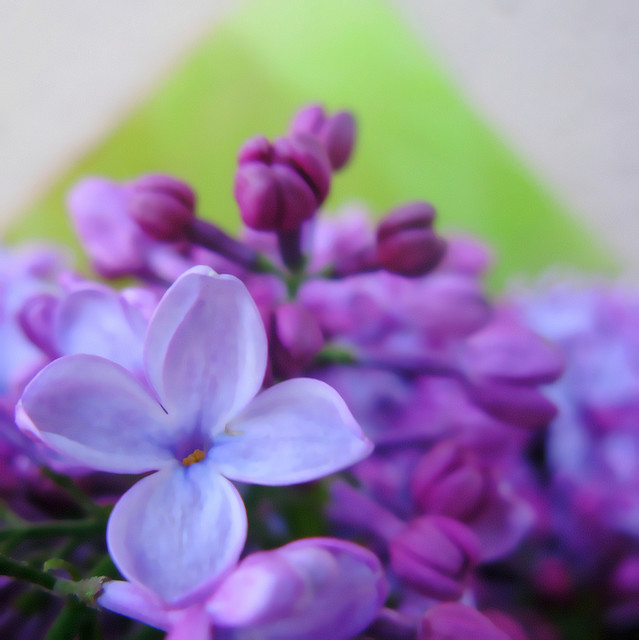
Camellia

In the eyes of the Chinese, the symmetrical petals of the camellia flower reflect the spirit of a lady, and the calyx holding the petals represents the young man who will protect her. The calyx of most plants remains after the petals have dropped, but the camellia's calyx falls with the petals when the flower dies. This symbolizes an everlasting union between lovers. In many parts of China, the camellia is considered the most favorable flower to be worn by young people to attract a marriage partner.
Camellias became the height of fashion as a corsage in 1940s America. In Temple City, California, the first Camellia festival was celebrated in 1945, with people gathering to admire vast floats of flowers. Annual camellia festivals spread across the United States in this decade and in the 1950s.
Unlike some flowers, which can have negative as well as positive meanings, camellias always symbolize good fortune. Not only are they emblems of love, but they are also lucky, especially when presented to a man.
The beauty of Camellia flowers inspired Victorian lovers to choose them to express decoration, but different flower colors varied in meaning:
The pink camellia: "I long for you"
The red camellia: "You are a flame in my heart"
The white camellia: "You are adorable"*

*Excerpt from The Secret Language of Flowers, by Samantha Gray